How to grow forests that outlive us

Hi! I’m Jo, writing from Heart & Soil homestead, a 1-acre homestead in the Far South of Cape Town, South Africa. You can subscribe to our newsletter to learn about growing trees and vegetables in Cape Town, or browse all our past newsletters.
Growing for the next generation
Your legacy is everything you’ve touched
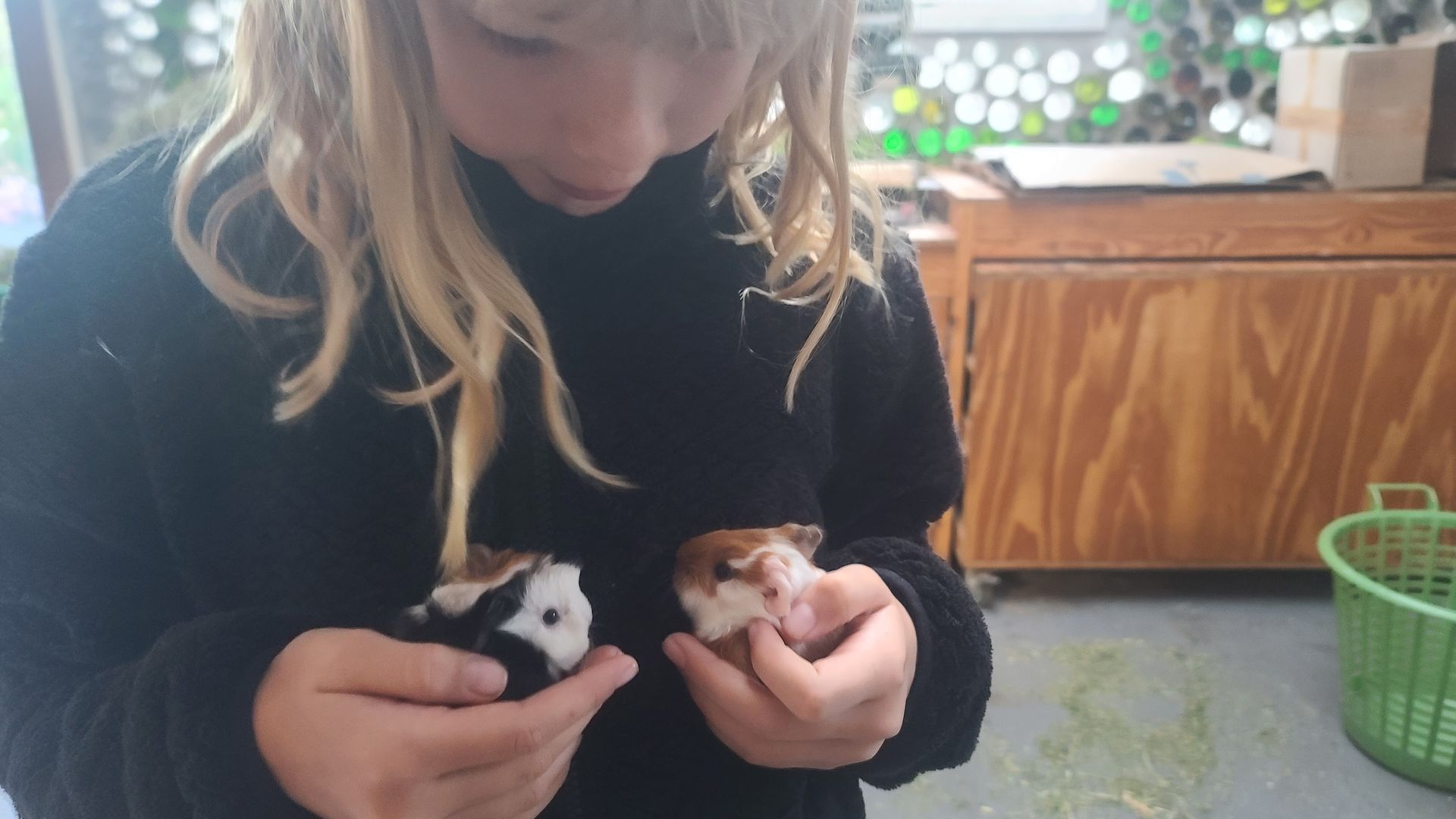
When guinea pig rescues arrive to our farm, sometimes they arrive pregnant…
I read this article about the church forests of Ethiopia, and thought it would make a great prompt for imagining long-term transformation in our own environments, wherever we find ourselves:
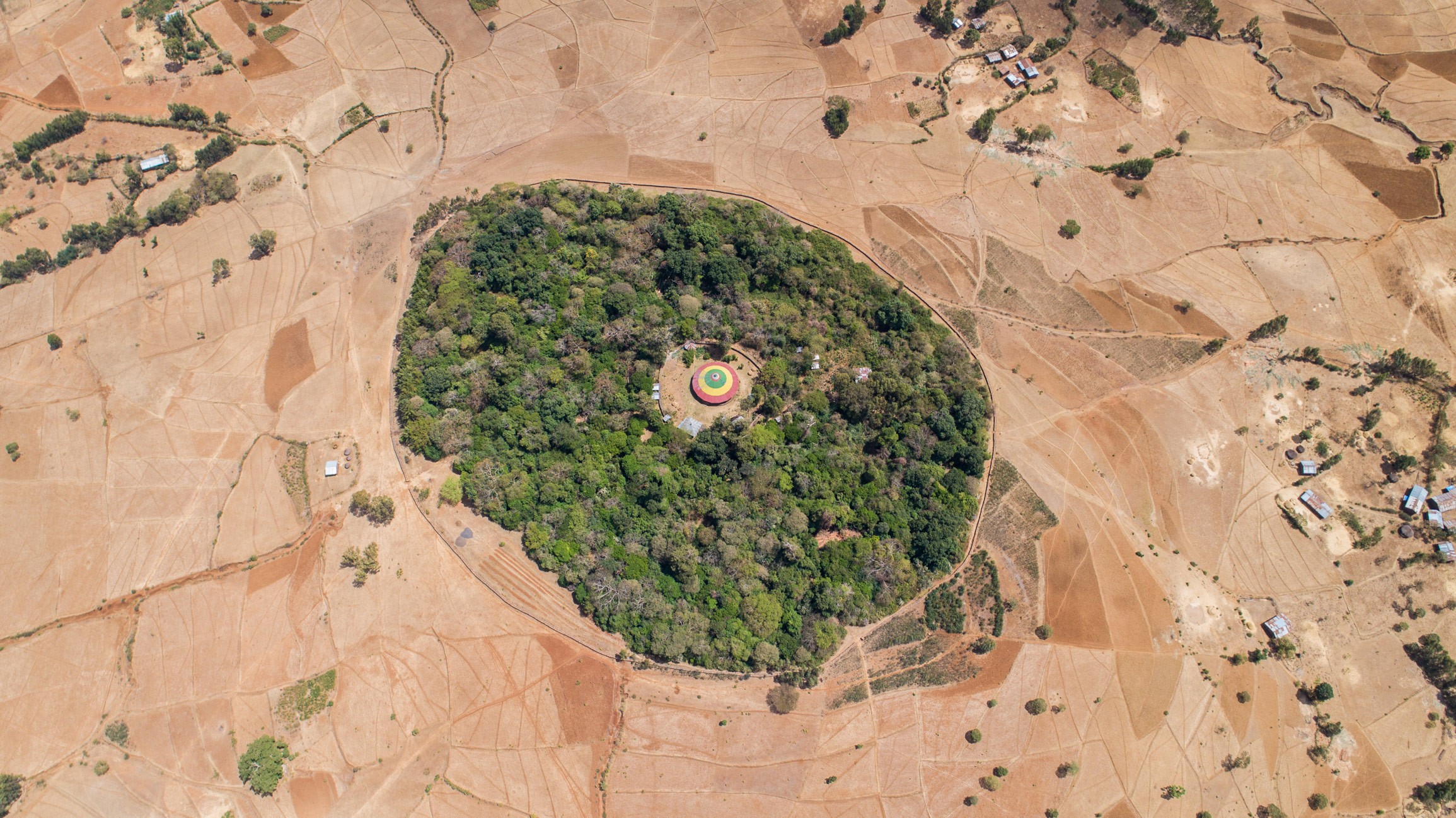
The Church Forests of Ethiopia – Emergence Magazine
Whereas most indigenous forest in Ethiopia has been destroyed over hundreds of years, forests around churches have been preserved, and serve as oases/ arks/miracles.
I wonder how we create and grow beyond ourselves, like the church forests of Ethiopia. When we grow trees, we are often growing for those who come after us. A brainstorm:
Find institutions that are older than you, and will outlive you, and be brave enough to engage. Be a joiner, even if you’re a critical one. Be willing to help and build, even though institutions always have weaknesses.
Support and participate in local democratic government. Government is one institution that outlives us. Do whatever you can to make it better.
Support grassroots organisations in your community dedicated to indigenous landscapes. For example, in Kommetjie Fynforce dedicates time and energy every weekend to clearing Port Jackson. Poison Free Peninsula and UnPoison provide clear actions to help residents across CT advocate for a hand weeding budget in CoCT rather than the spraying of poison.
Plant protected indigenous trees in your garden, verge, or a public space near you.
Grow some trees from seed and share them with neighbours. Lower the barriers to entry and make it easy for neighbours to get growing. Nature always involves redundancy, so don’t worry about failure. Seed is plentiful and once you start planting, you’ll find sources for free seed. If you are in Cape Town, you can get free street trees and community trees from CoCT. Put a calendar reminder to apply for free trees every winter.
Plant a fruit tree or two every rainy season. Here’s a newsletter I wrote about growing fruit and nut trees in Cape Town. You’ll gain knowledge and competency and improve your soil over time. It’s ok if the first tree you plant dies in service of you becoming a better steward. It happens. The knowledge you gain will help someone else.
Doing all these things, we cultivate a new culture, focused on seeing, growing, and connecting to things that are much bigger and longer-lived than our own little lives.
Do small things regularly, starting today, rather than trying to transform your days or your space on some future date.
I don’t think there was one person responsible for the miracle of the forests in Ethiopia. There was probably many people doing small things with great care, over centuries. Today, the act of building stone walls to protect those forests is also the work of many people. Taken together those cumulative actions built a counter-culture, and built something strong enough to withstand the pressures of dominant economic and agricultural forces.
Here’s to doing the same, in small ways, over a long period, with many other people.
If you’d like to learn to grow trees and vegetables in Cape Town, subscribe to our weekly newsletter.